Fukushima Field Research
2019–2024
Overview
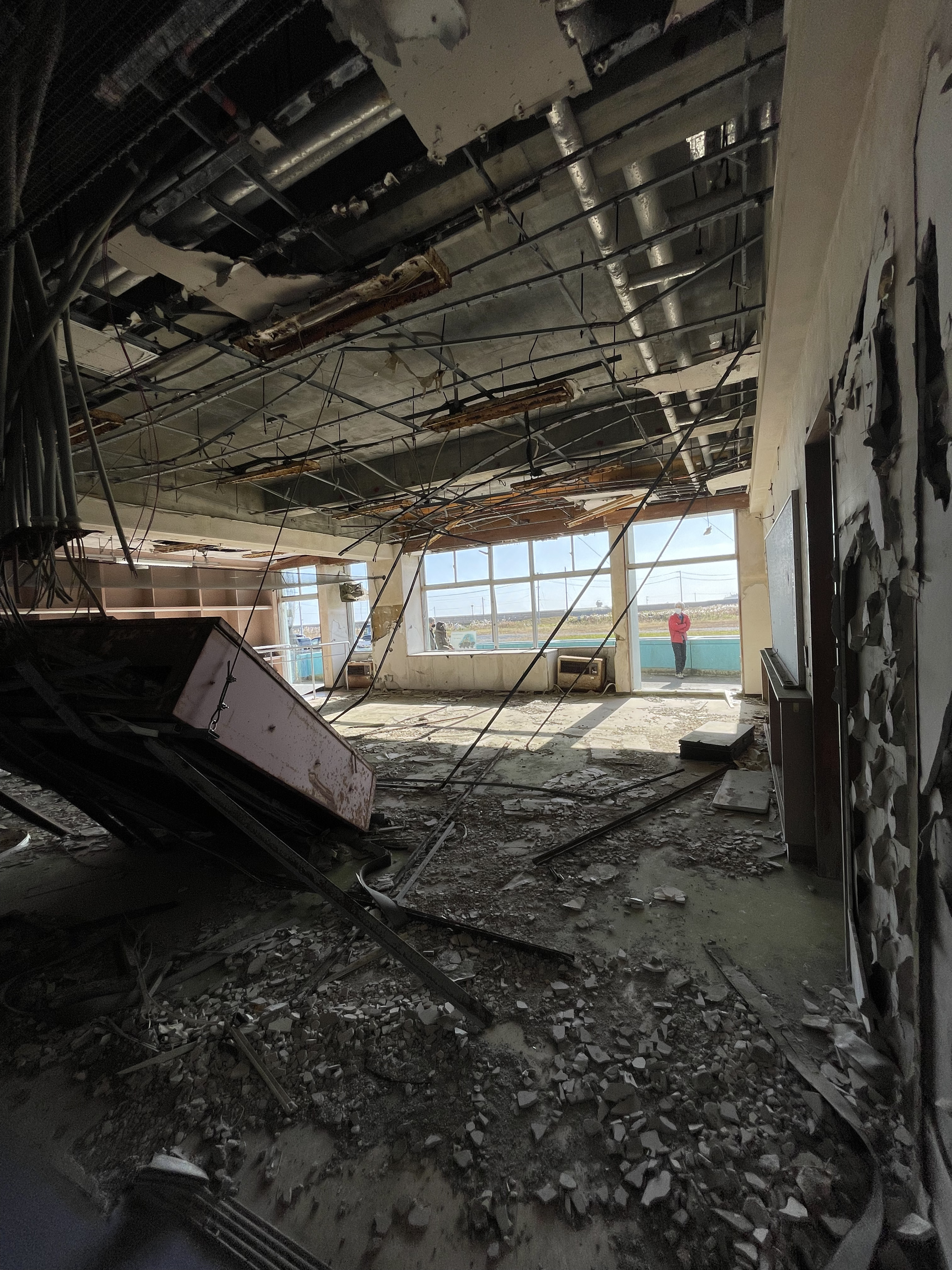
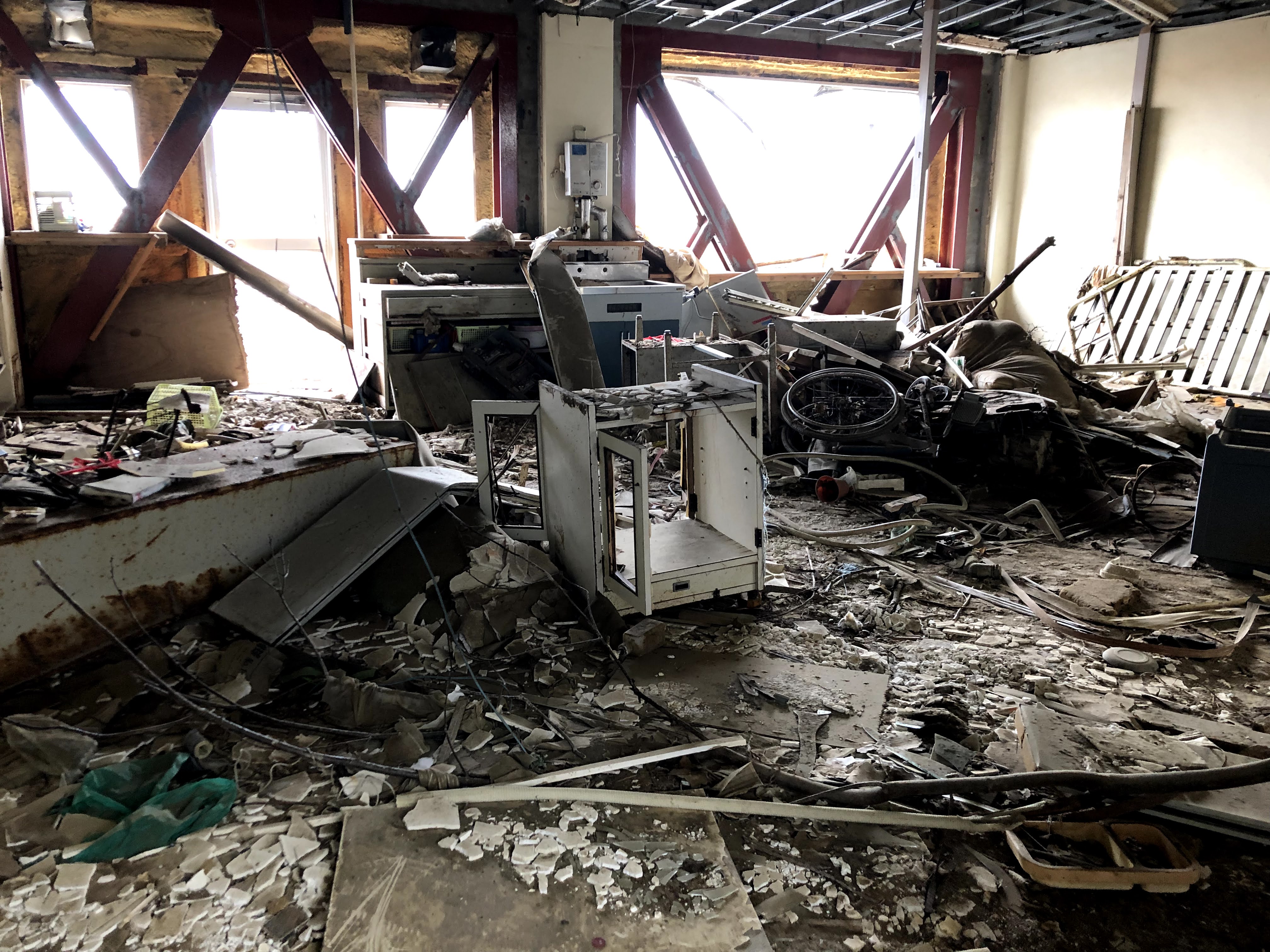
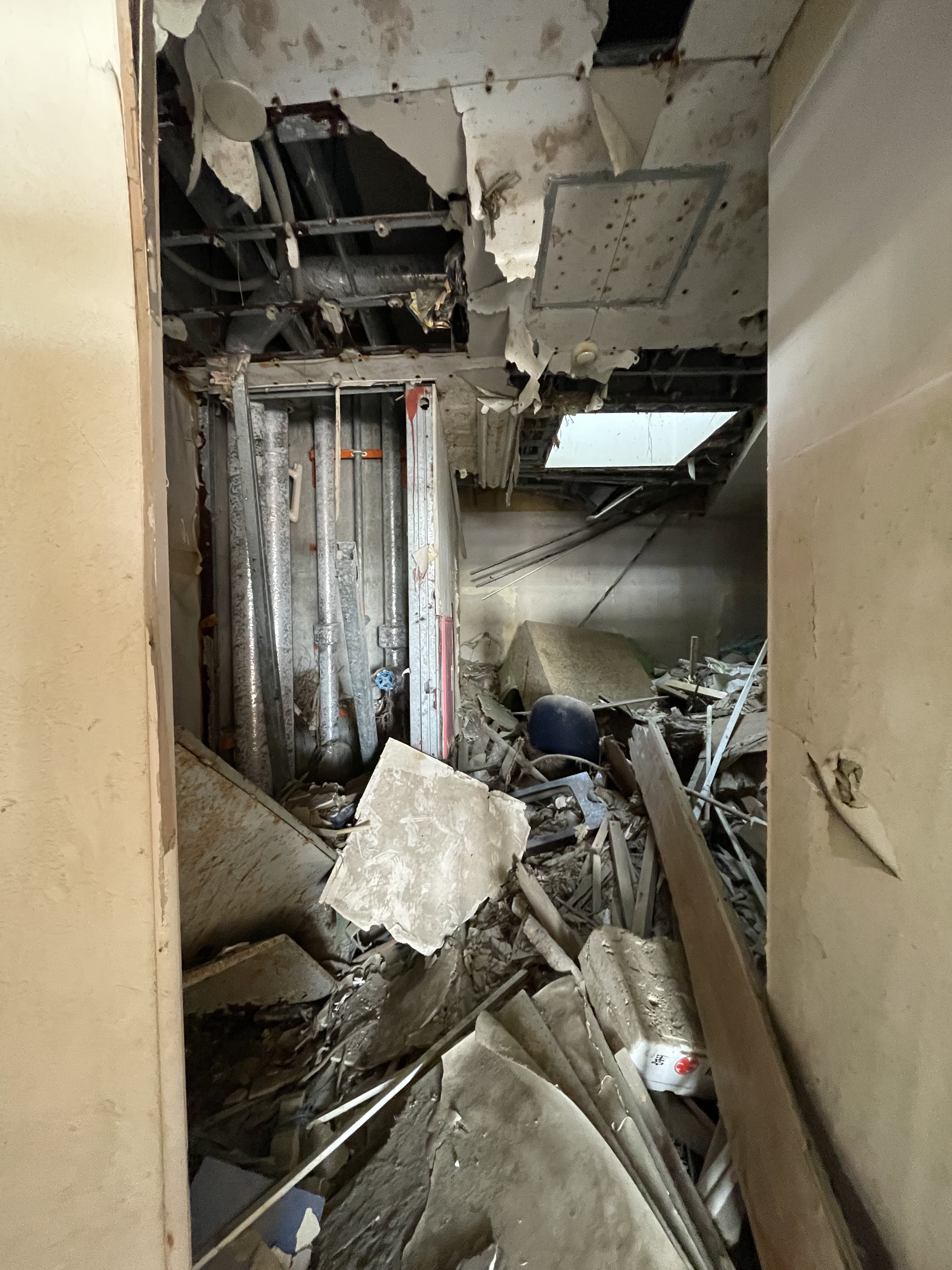
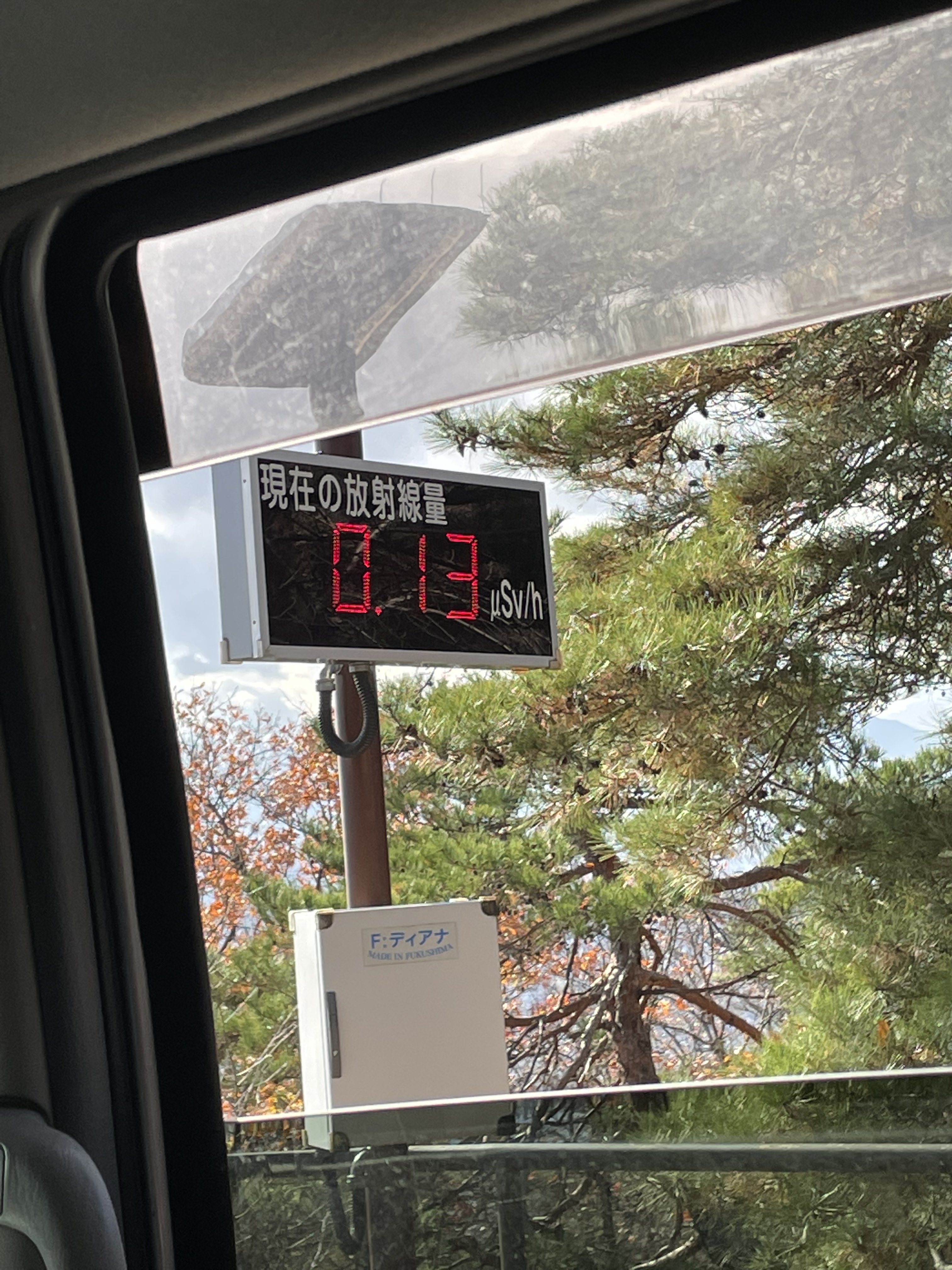
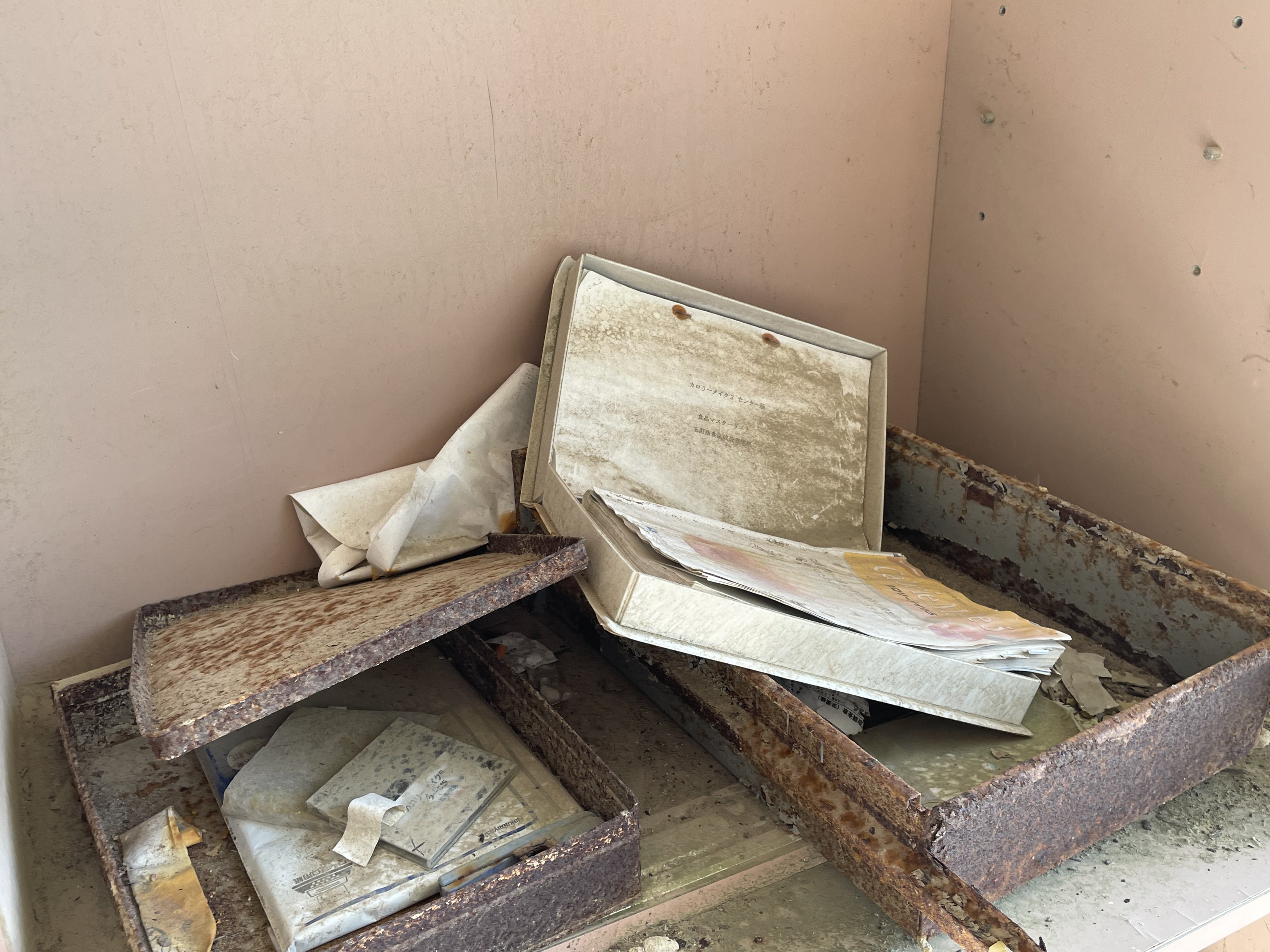
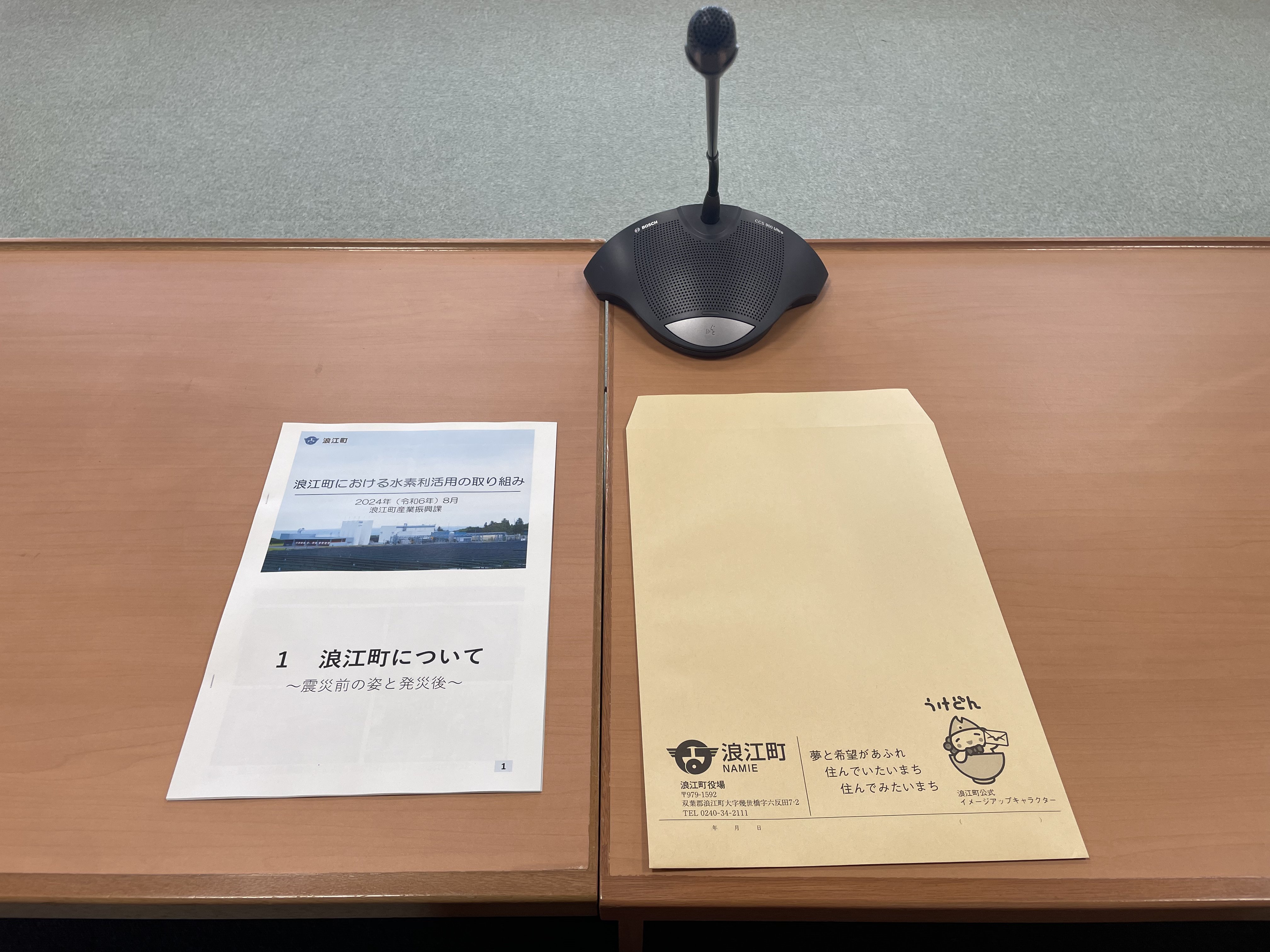
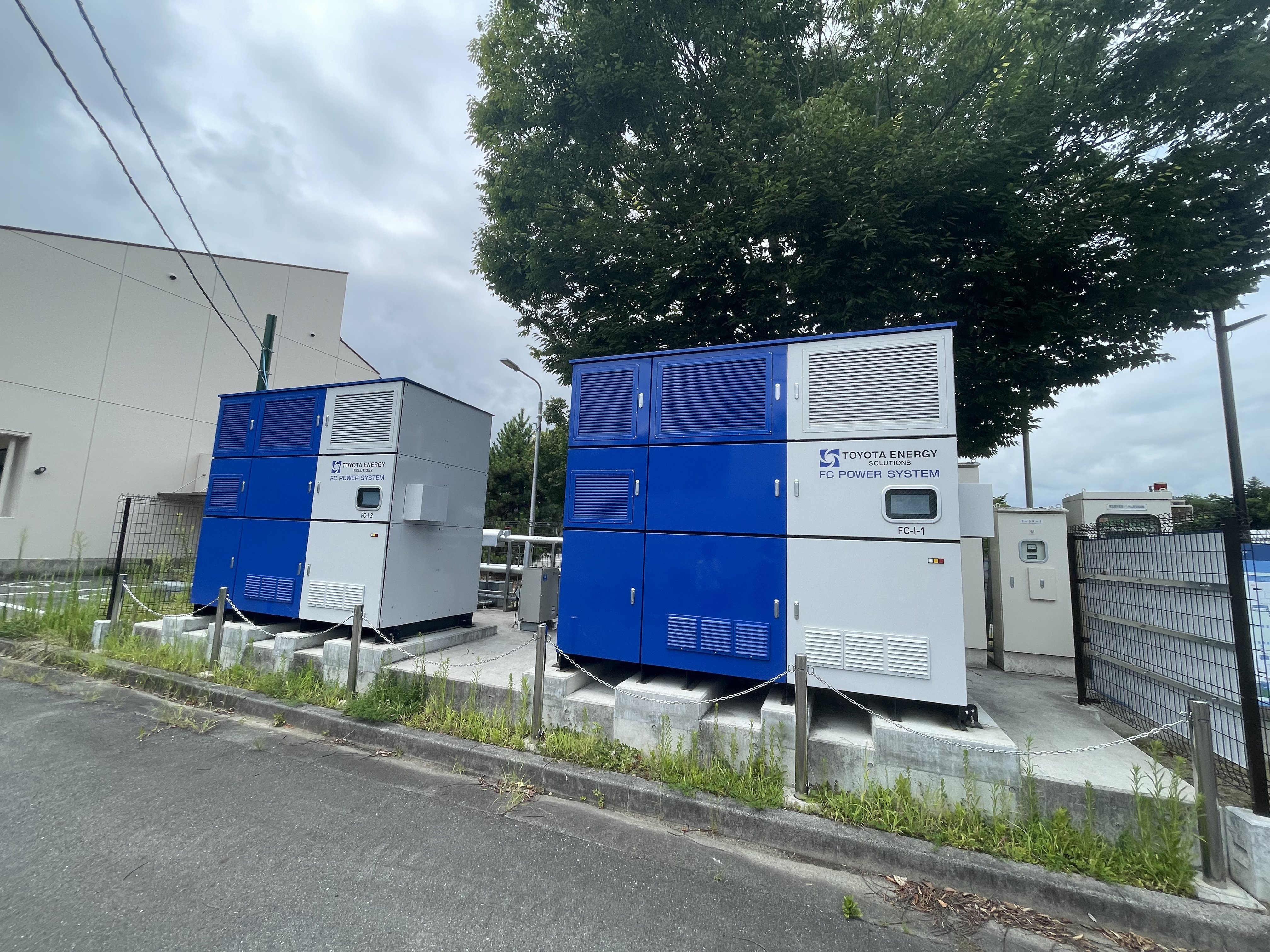
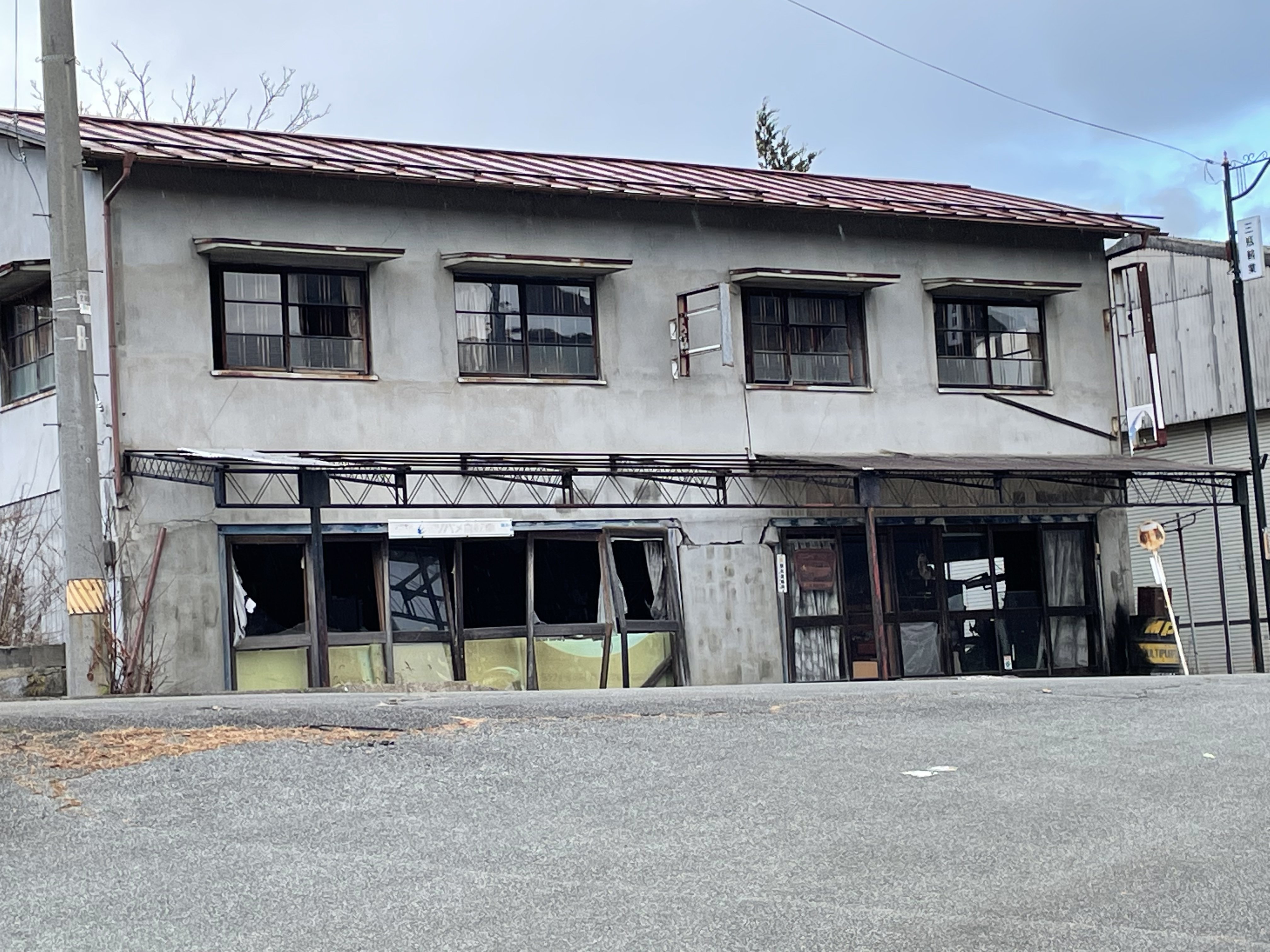
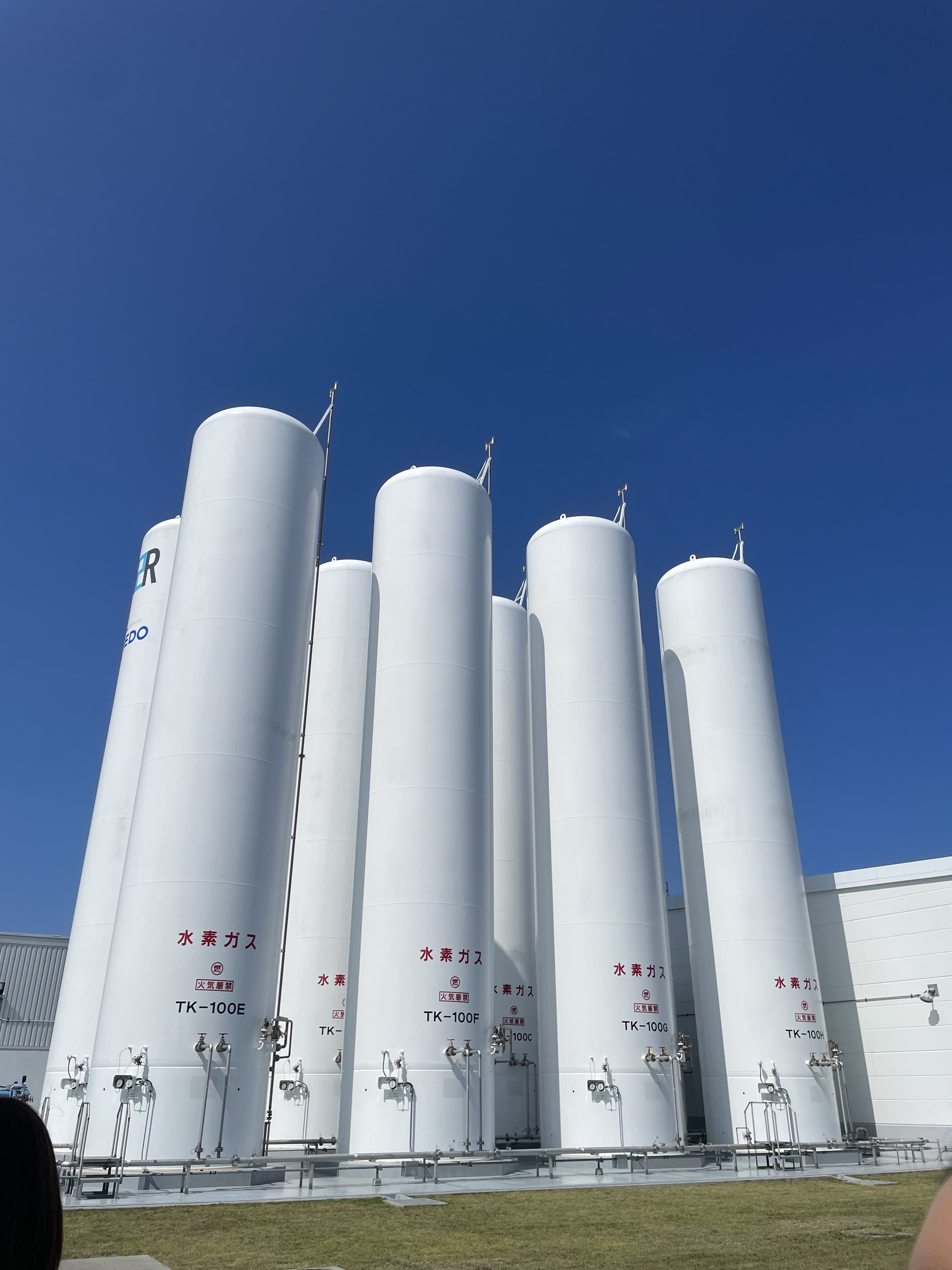
Multi-site fieldwork conducted across the Futaba and Namie districts of Fukushima Prefecture between 2019 and 2024. The research examines post-disaster governance, focusing on the persistent gap between official recovery policy and the lived experience of displaced communities.
Over six years of engagement, the fieldwork has involved interviews with evacuees, municipal mayors, town leaders, officials from the Ministry of Economy, Trade and Industry (METI), and representatives of TEPCO. It traces the evolving dynamics of trust, transparency, and institutional accountability under conditions of prolonged displacement and uncertain information.
Research Outputs — 成果
Key findings and analytical frameworks developed through six years of fieldwork, stakeholder engagement, and cross-sector dialogue in Fukushima Prefecture.
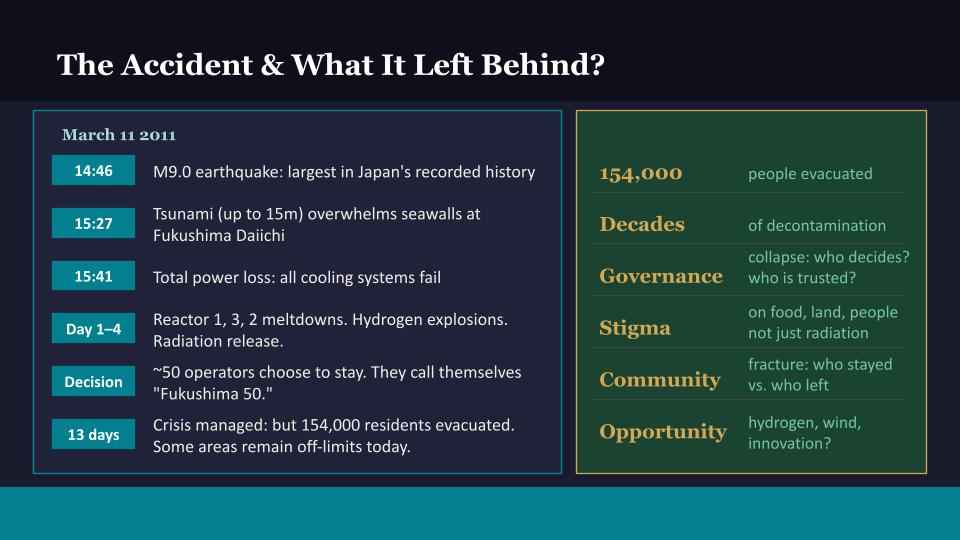
The Accident & What It Left Behind
Timeline of the March 11, 2011 disaster and the lasting consequences — 154,000 evacuated, decades of decontamination, fractured governance, and community stigma.
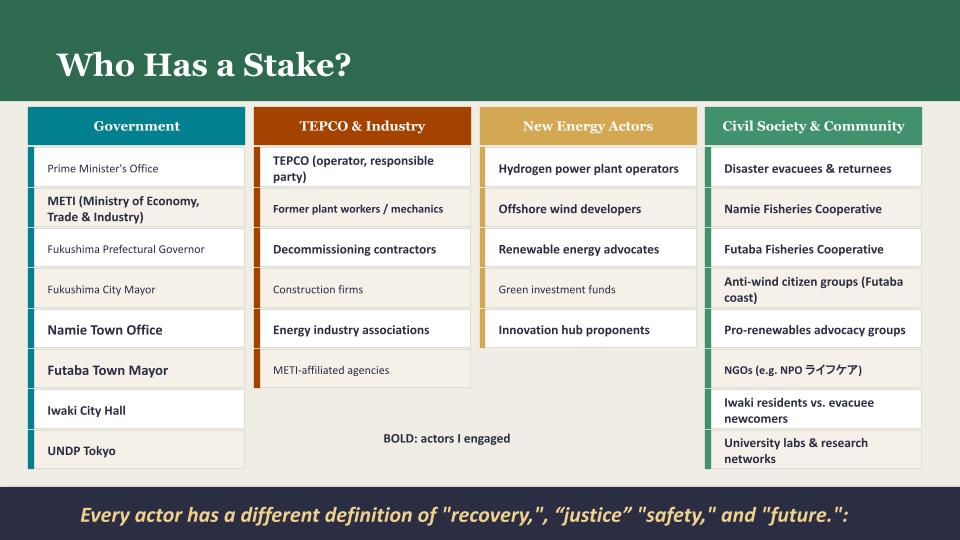
Stakeholder Mapping
Comprehensive mapping of actors across government, TEPCO & industry, new energy developers, and civil society — each with a different definition of "recovery."
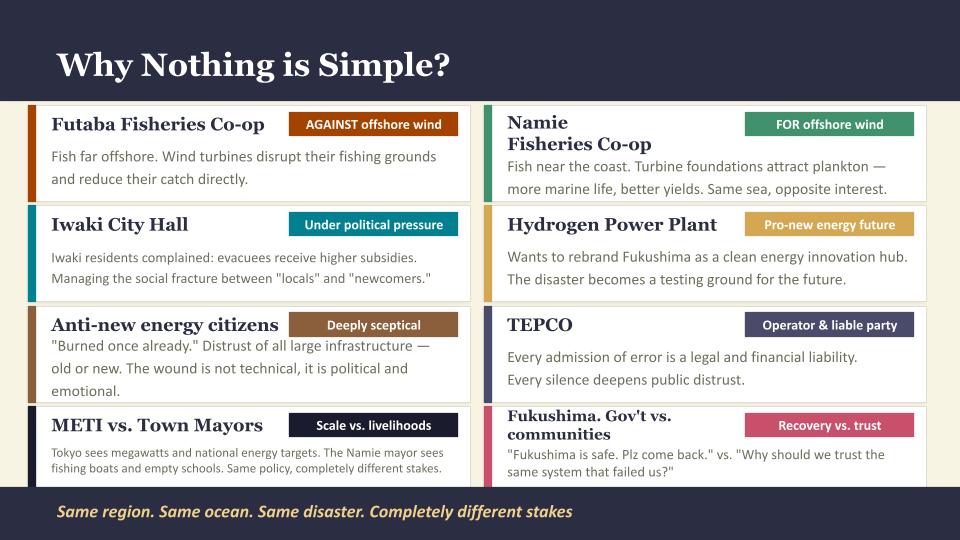
Competing Stakes & Conflict Lines
Analysis of opposing interests: fisheries co-ops split on offshore wind, METI vs. town mayors on scale vs. livelihoods, and the trust gap between government and communities.
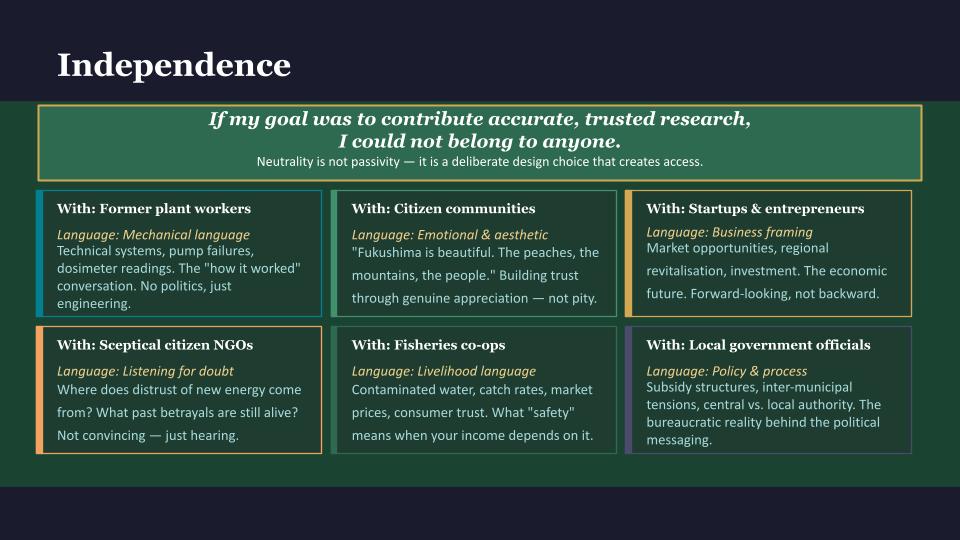
Research Independence & Access
Methodological framework for building trusted access across all stakeholder groups — adapting language from mechanical to emotional to policy depending on the audience.
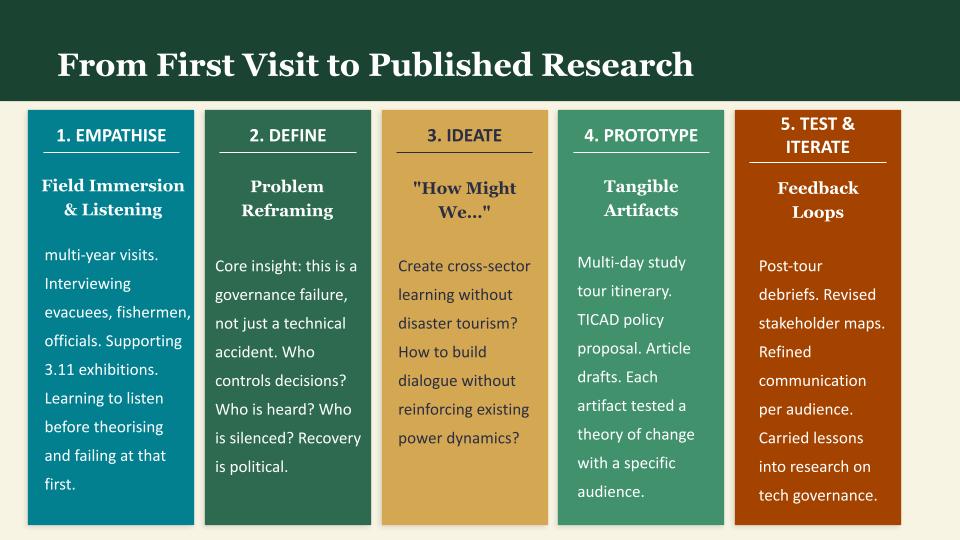
From First Visit to Published Research
Design-thinking process from empathise to test & iterate: field immersion, problem reframing, cross-sector dialogue prototypes, and feedback loops with stakeholders.
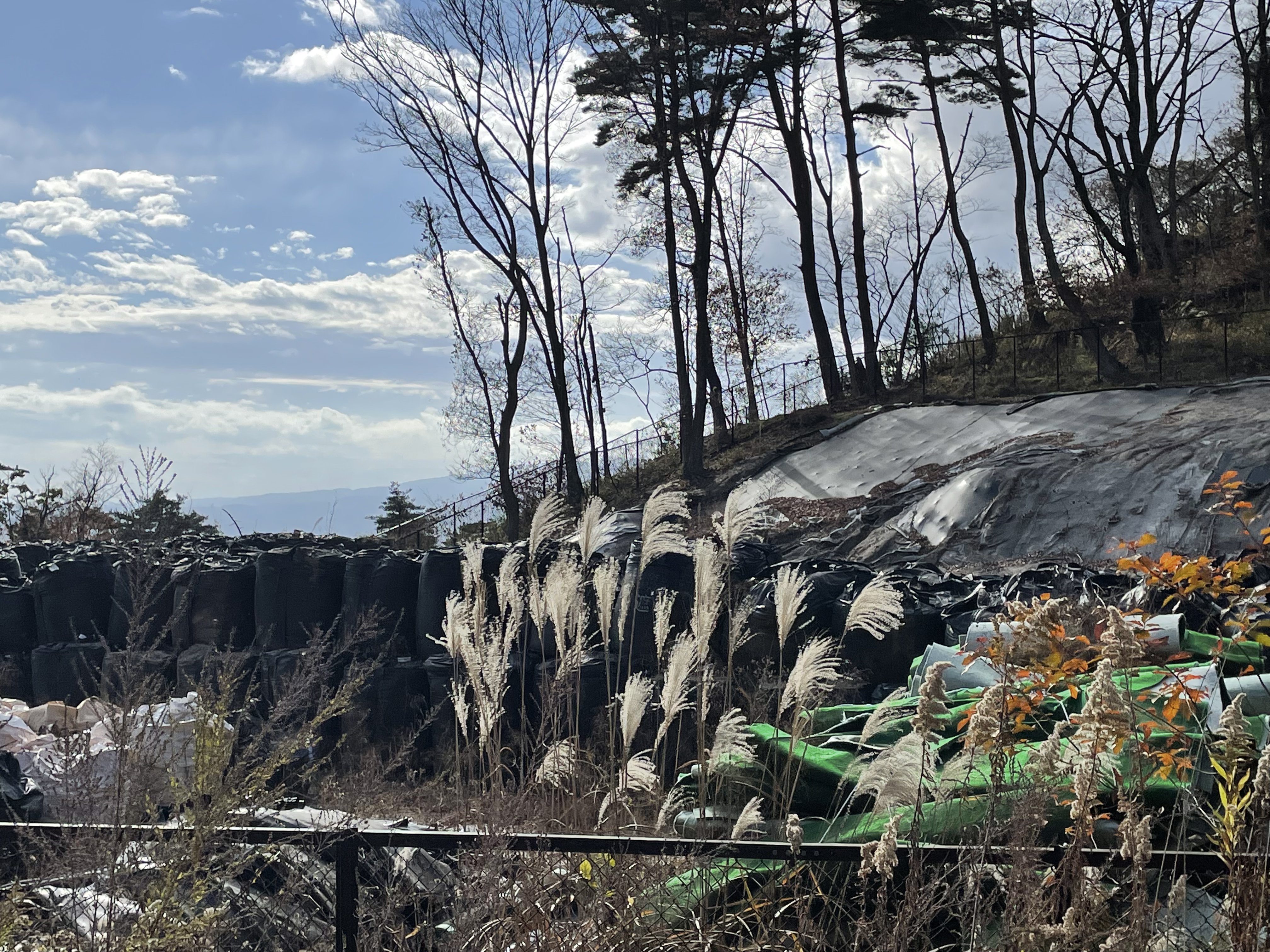
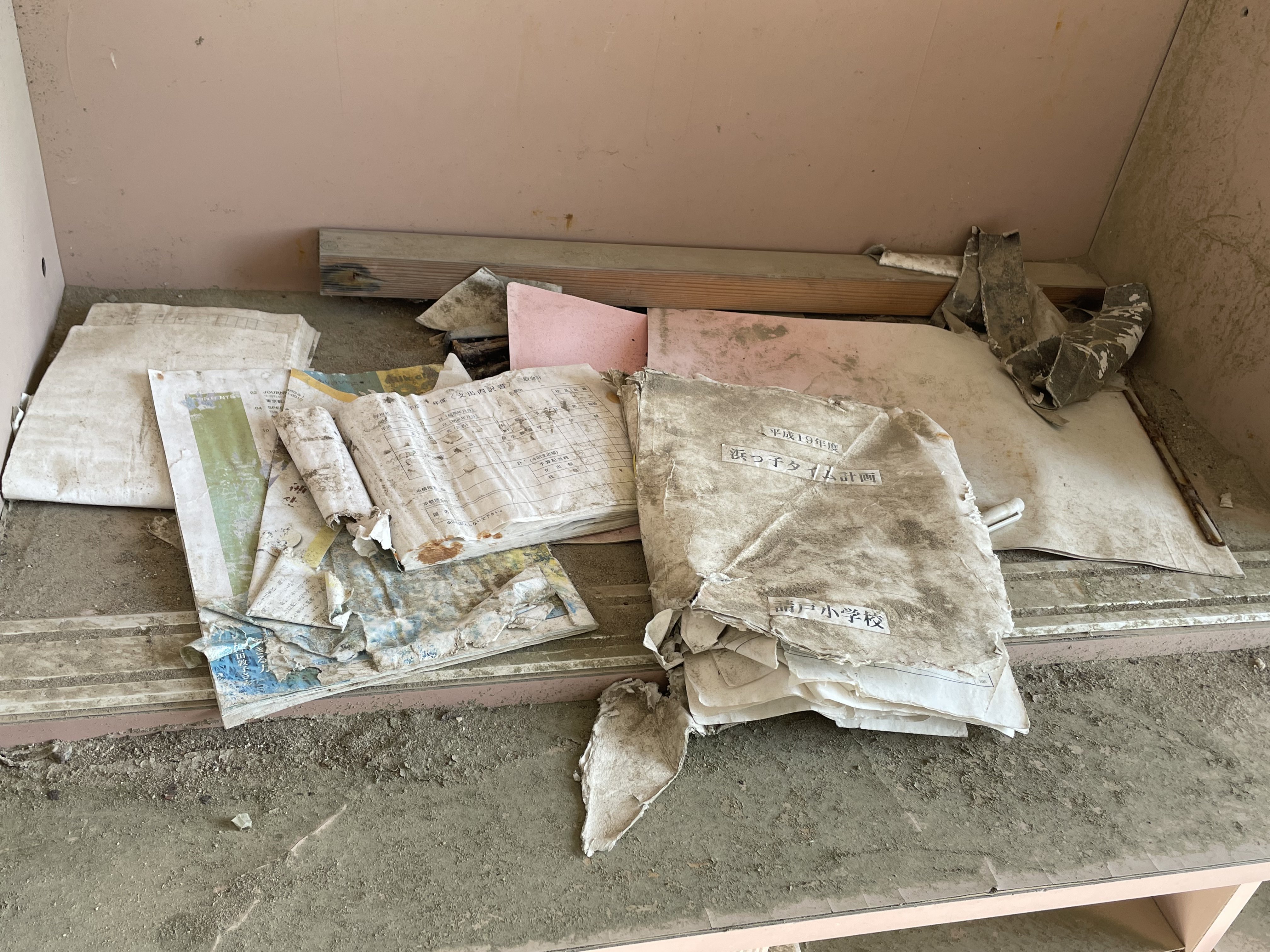
Gallery
Key Activities
Multi-site field research in Futaba and Namie districts
Interviews with evacuees, mayors, town leaders, METI officials, and TEPCO representatives
Documentation of the policy-recovery gap and its effects on trust and transparency
Organised an 11-person study tour to affected areas
Six years of continuous engagement with affected communities and institutional actors