Post-Disaster Governance and the Trust Gap
Overview
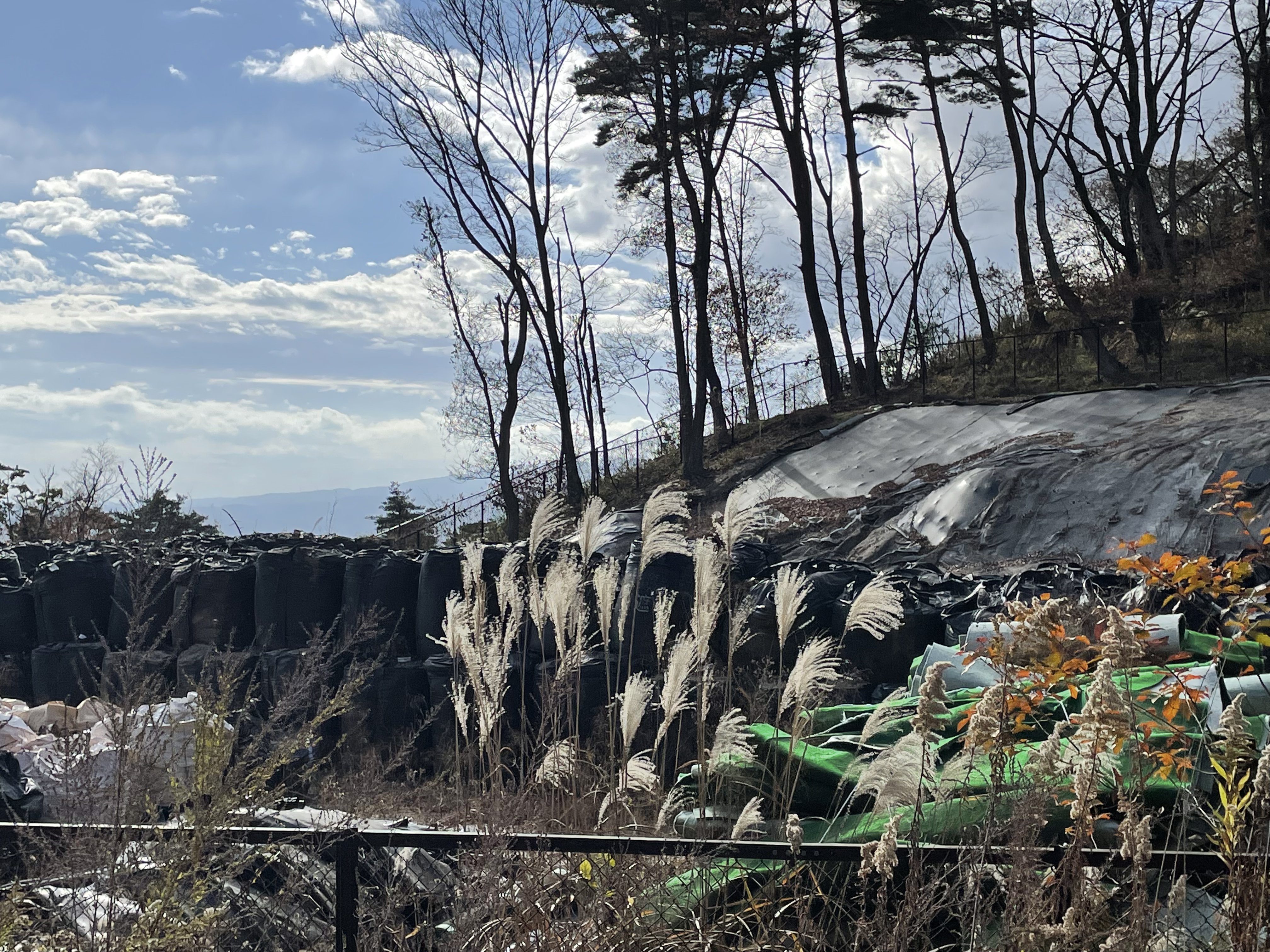
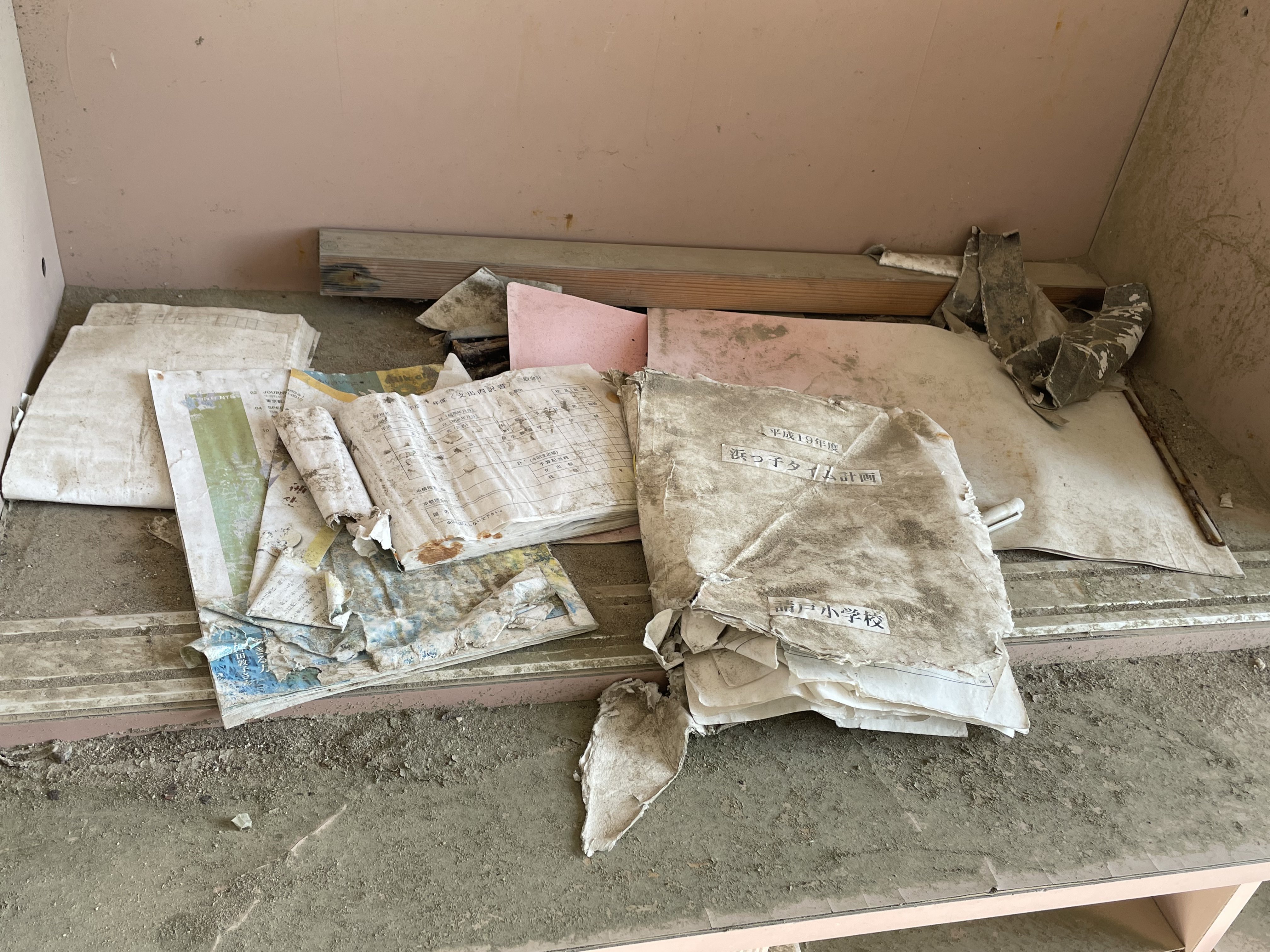
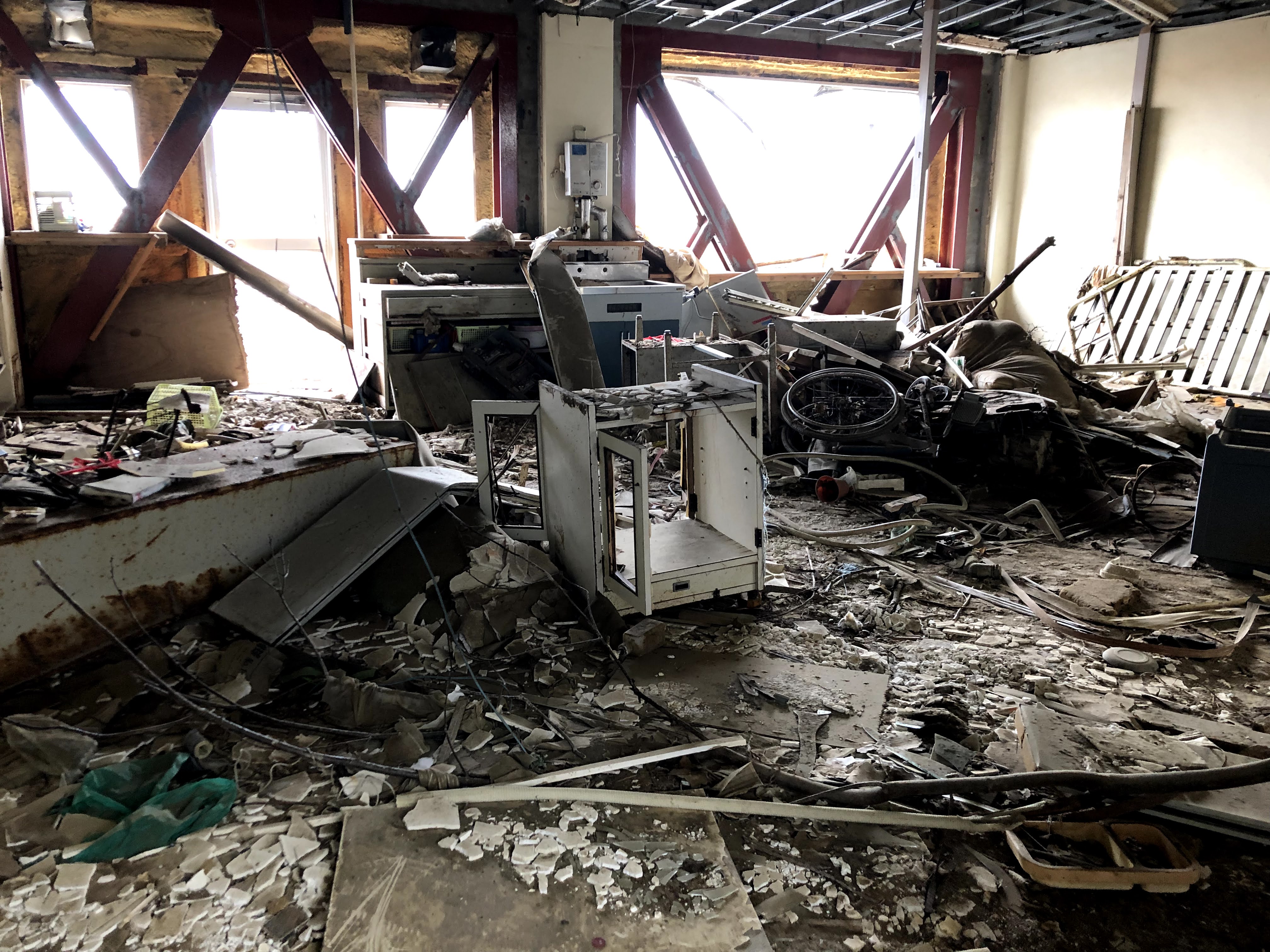
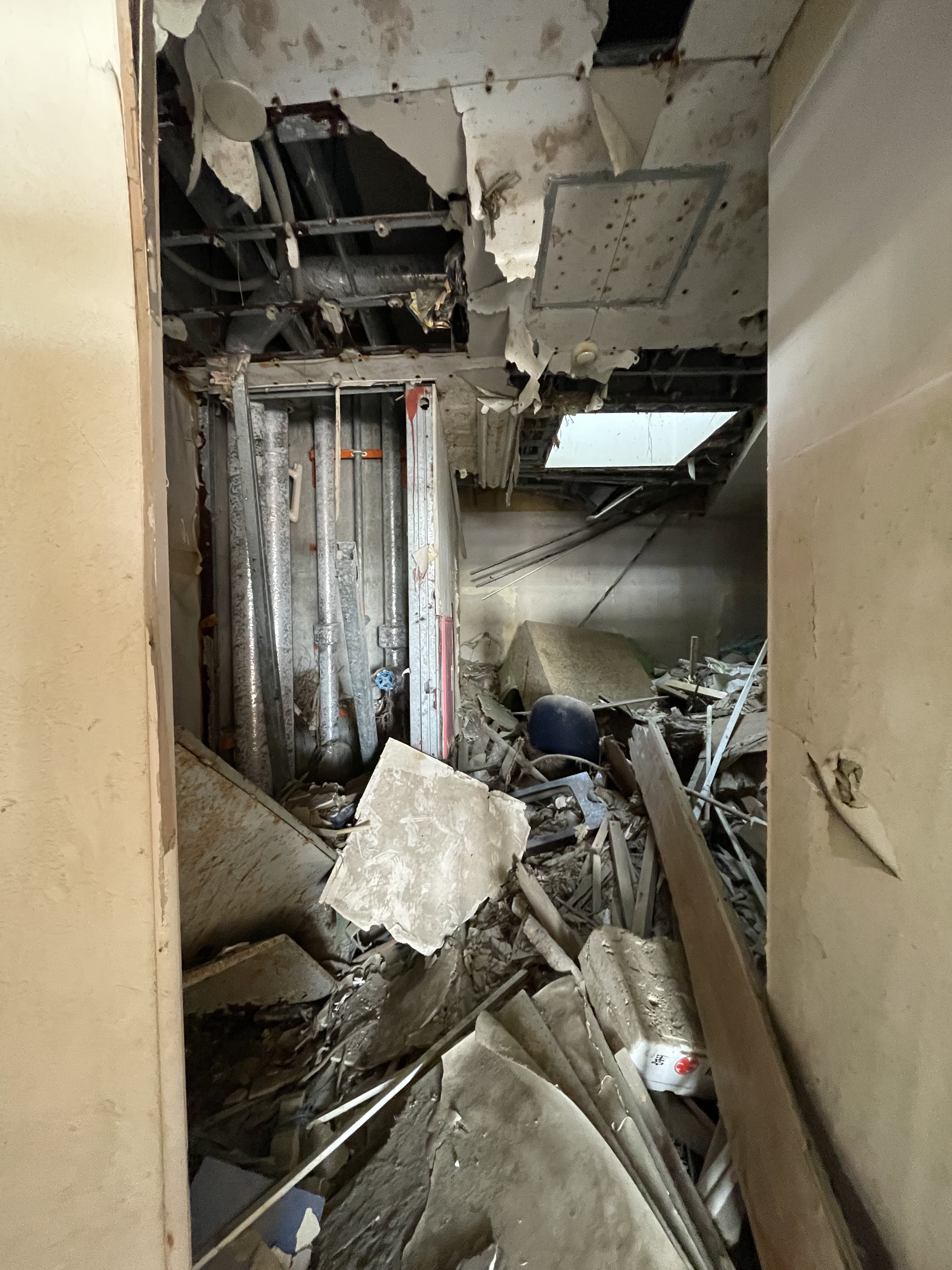
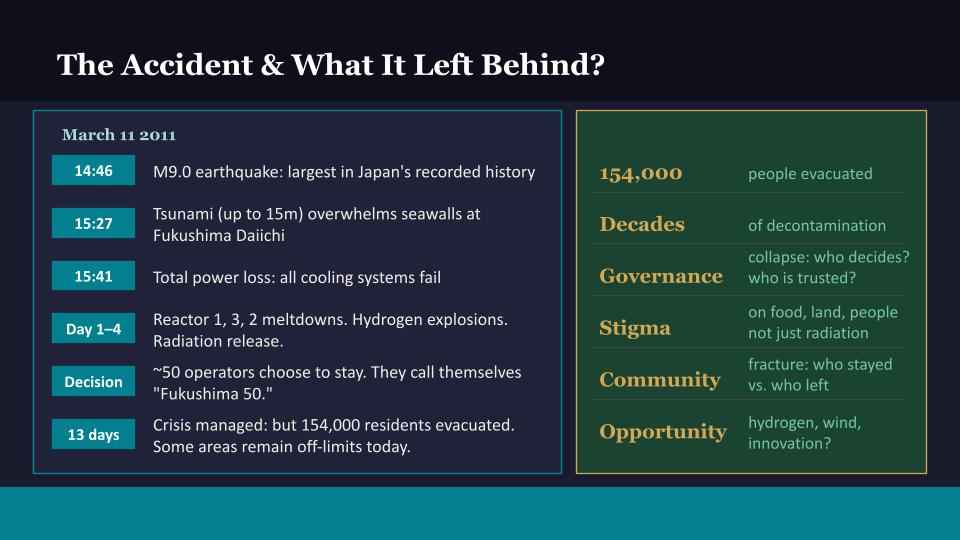
This research draws on six years of fieldwork in the Fukushima region to examine the governance of post-disaster recovery. It focuses on the persistent gap between official policy frameworks and the lived experience of affected communities — particularly around questions of trust, transparency, and long-term institutional accountability.
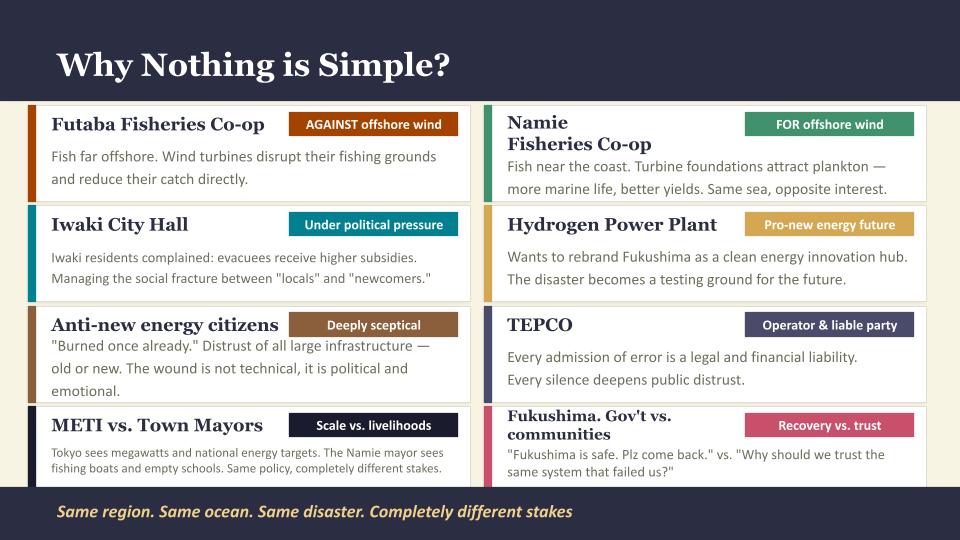
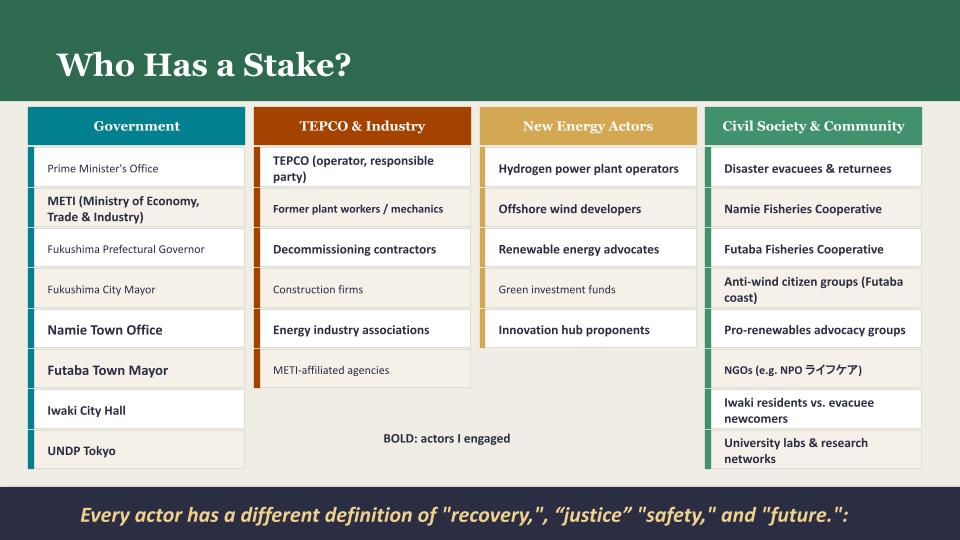
Through interviews with evacuees, municipal leaders, and officials from METI and TEPCO, the research traces how state-society relations evolve under the pressure of prolonged displacement, uncertain information, and contested recovery narratives. It contributes to broader debates on disaster governance, institutional legitimacy, and the politics of recovery.
Fieldwork
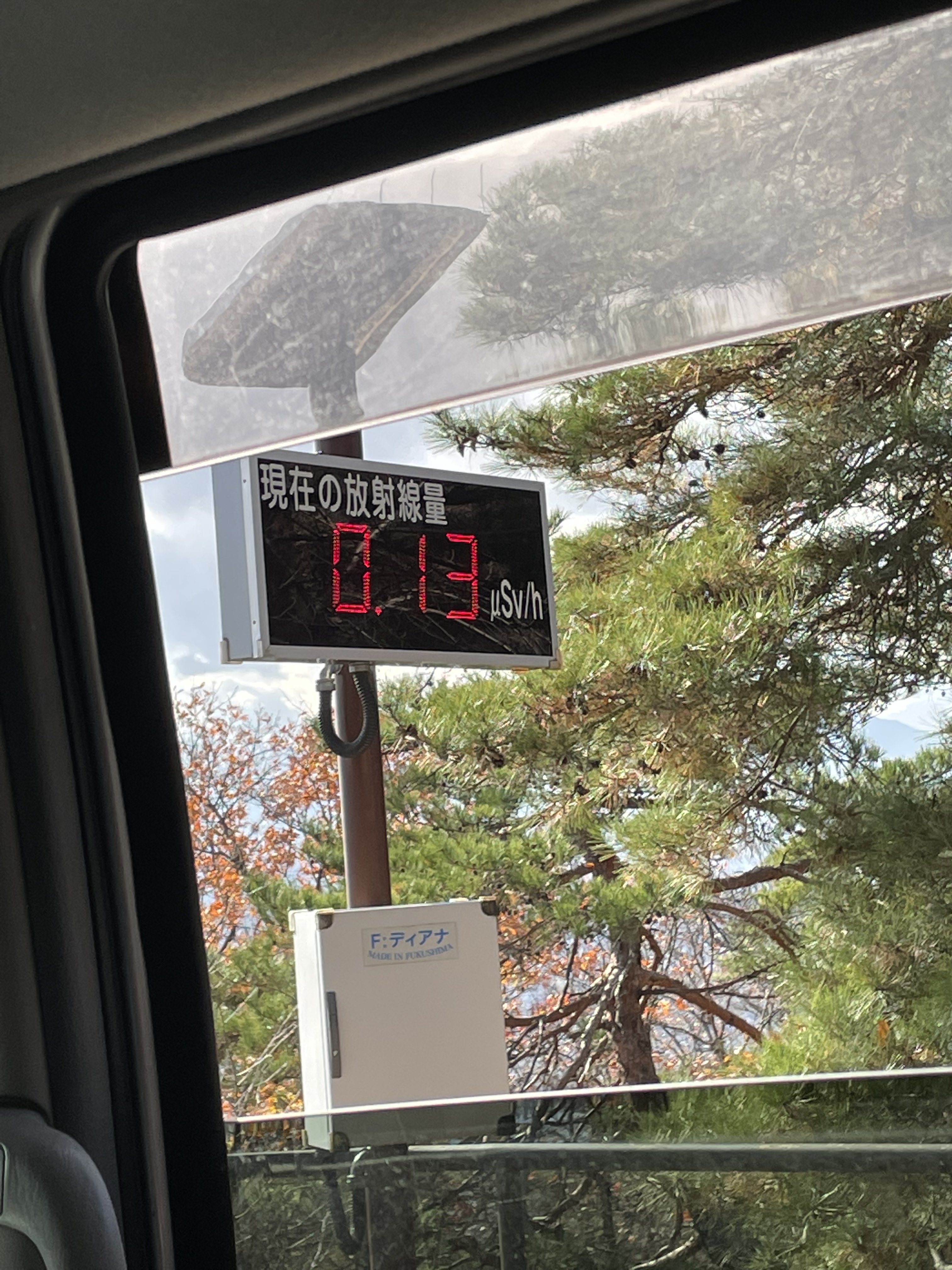
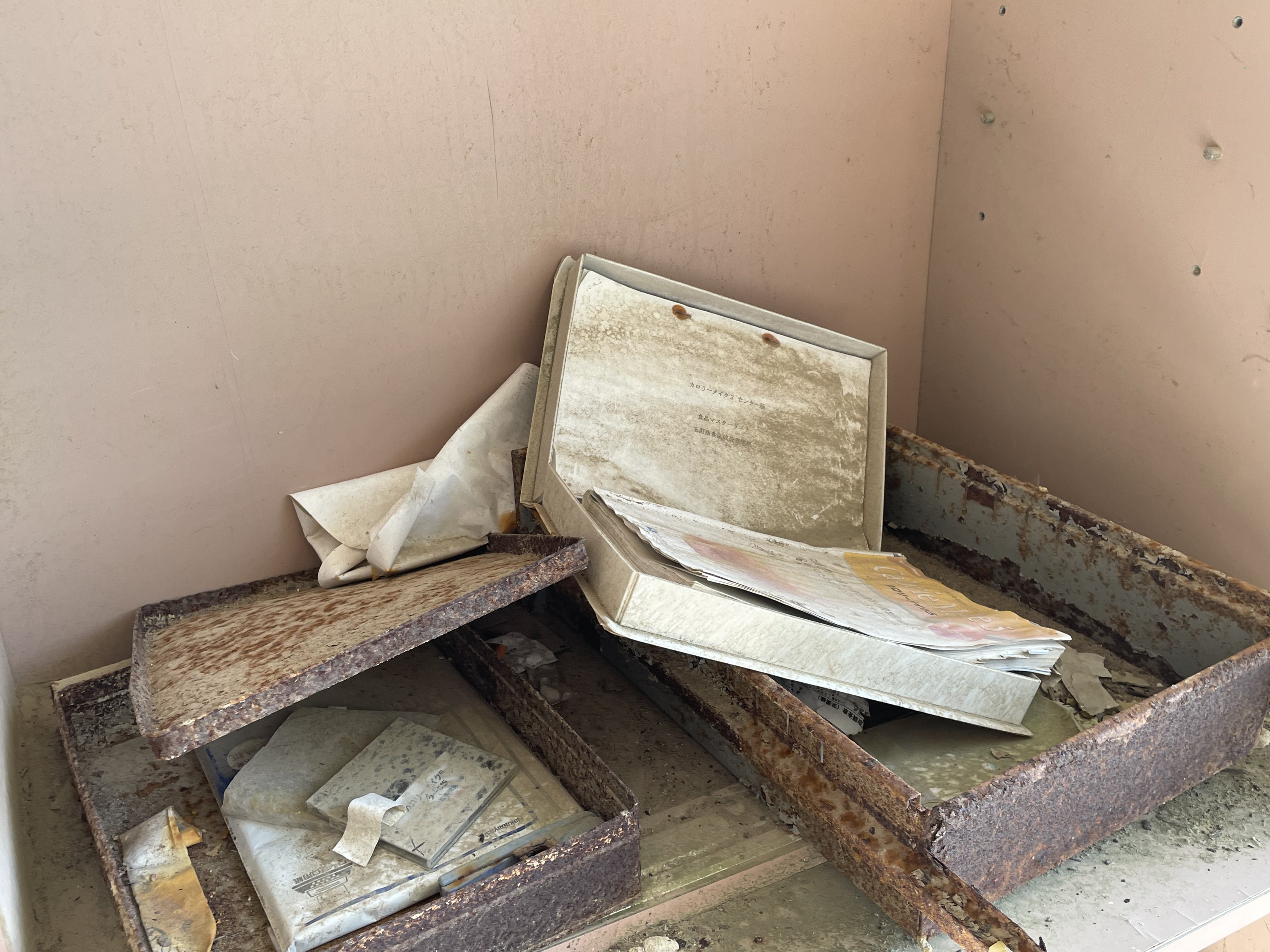
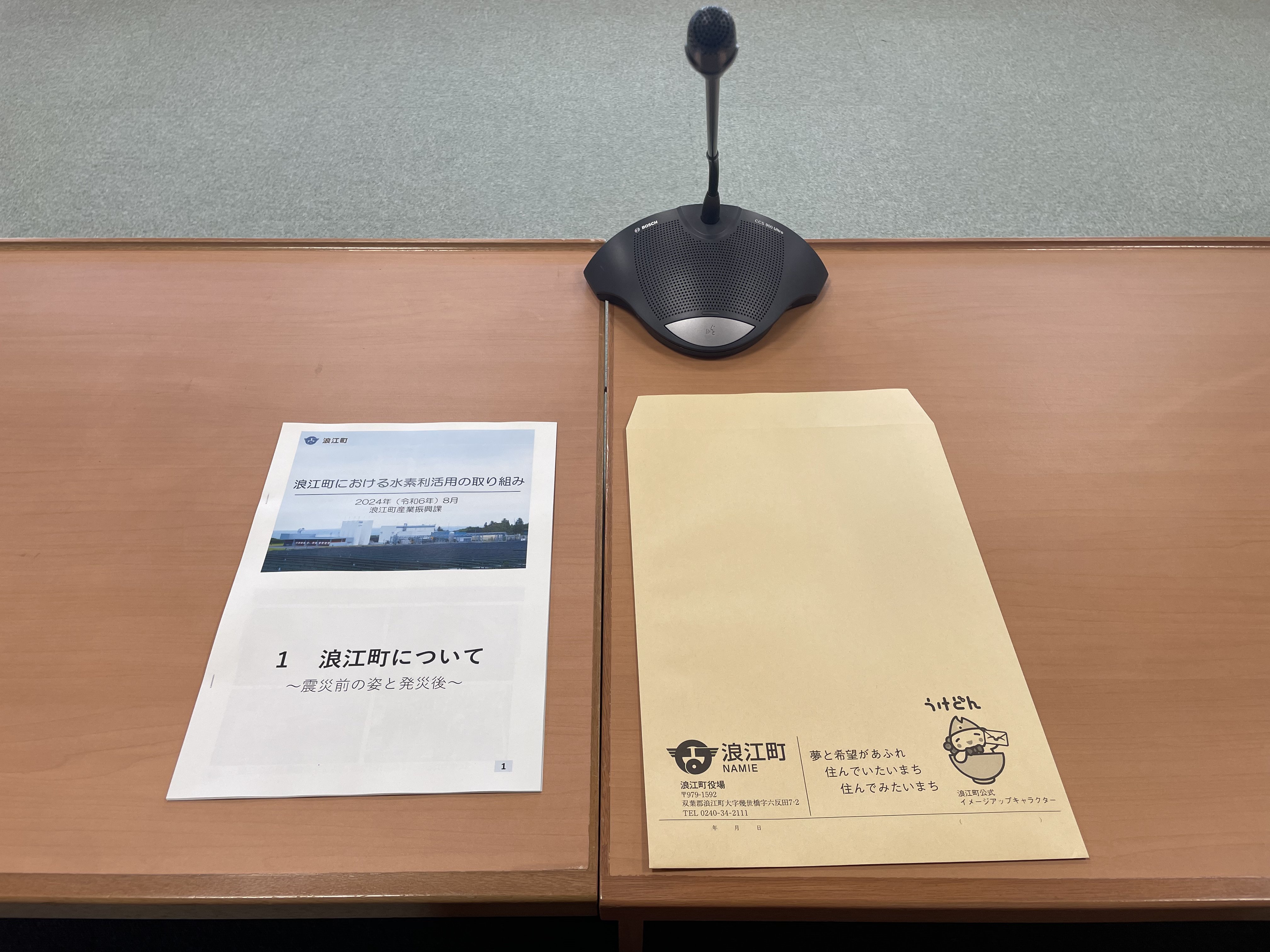
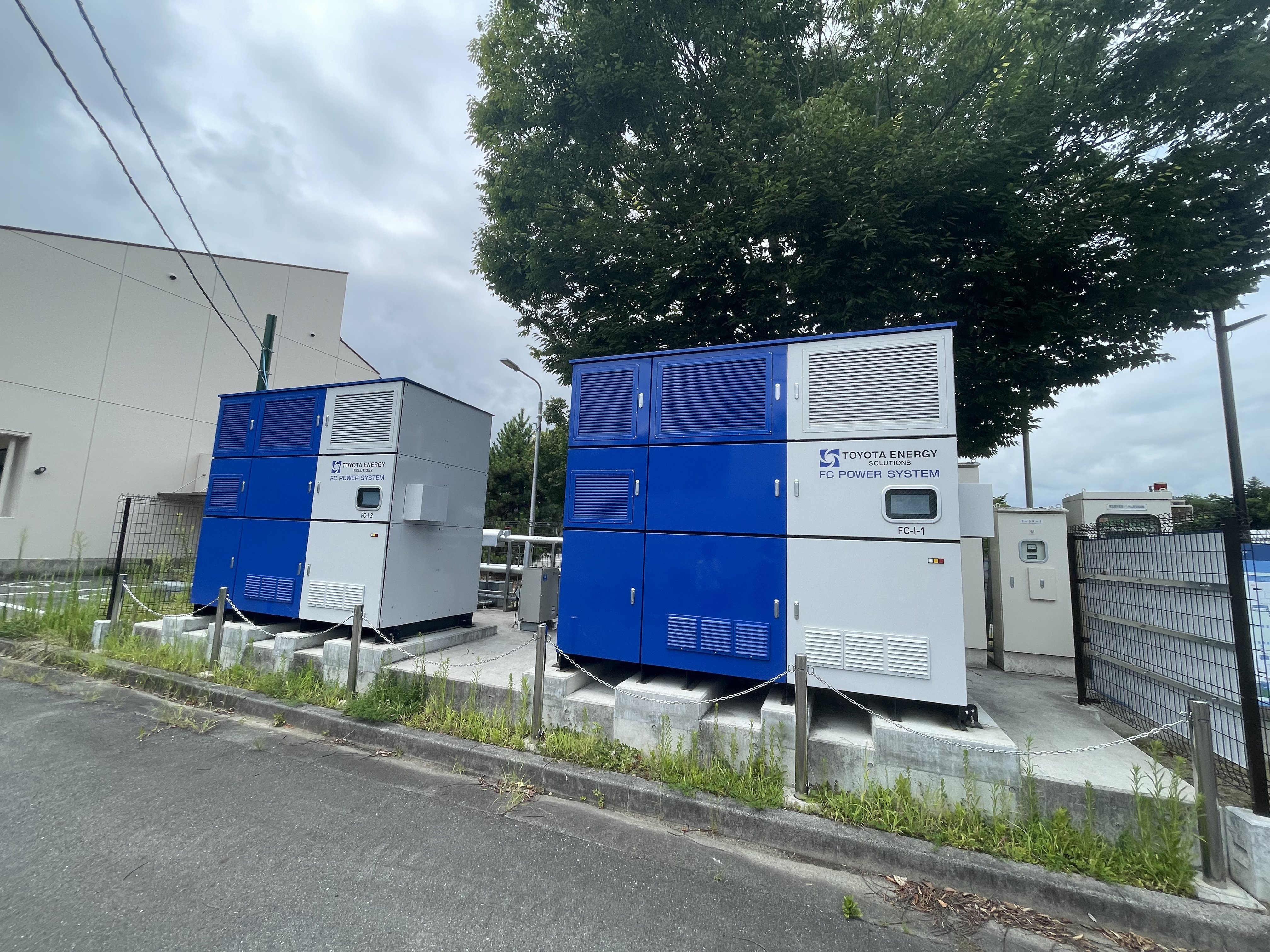
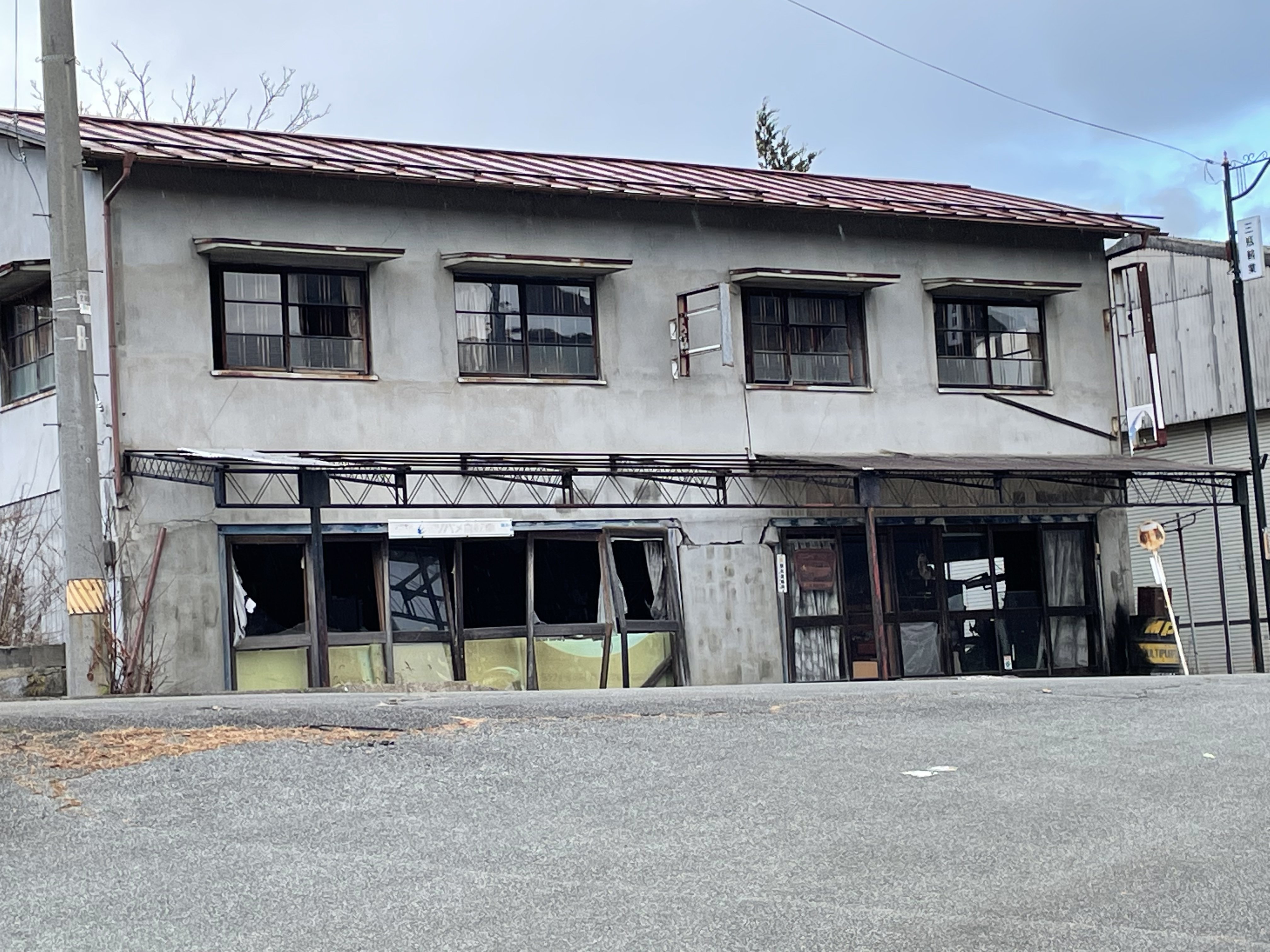
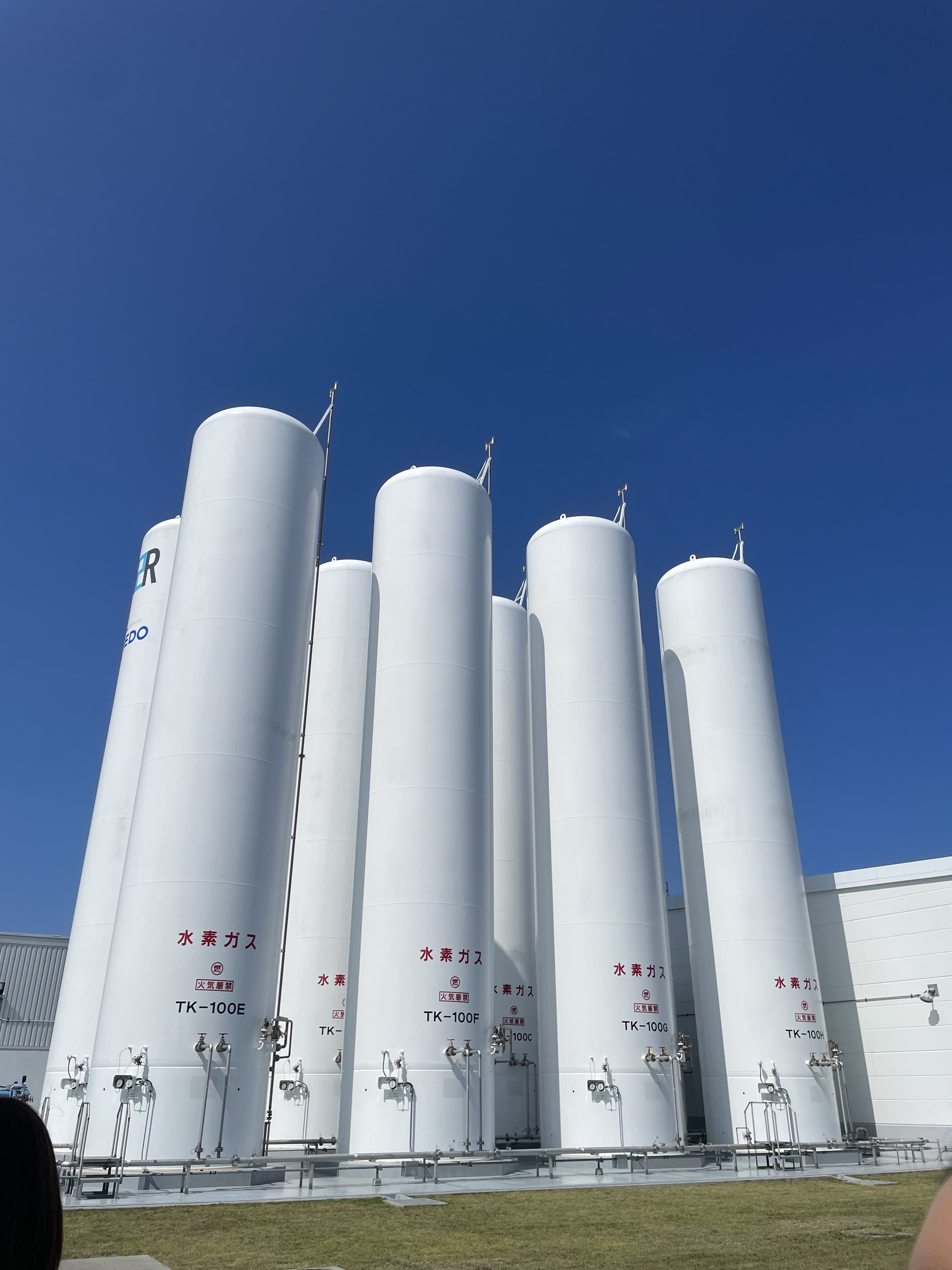
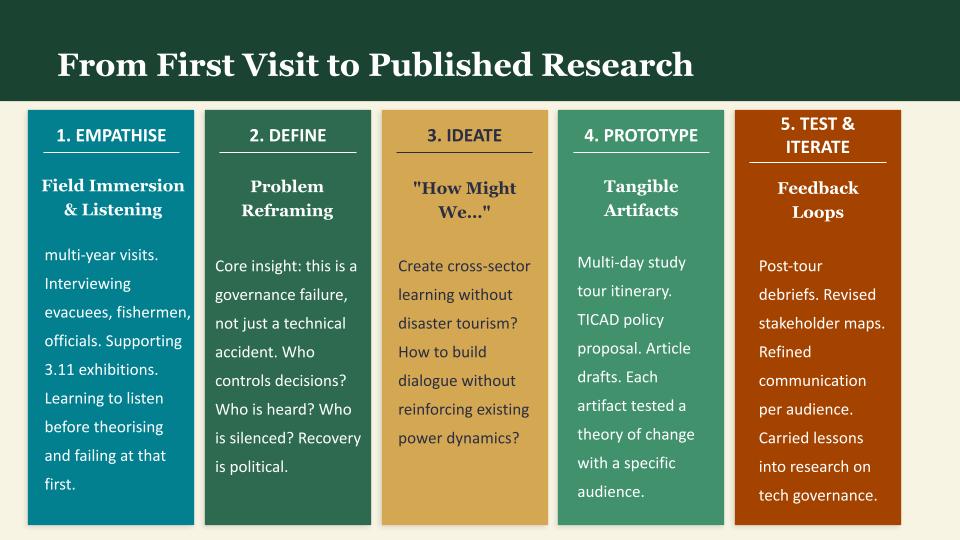
Multi-site fieldwork across Futaba and Namie districts (2019–2024)
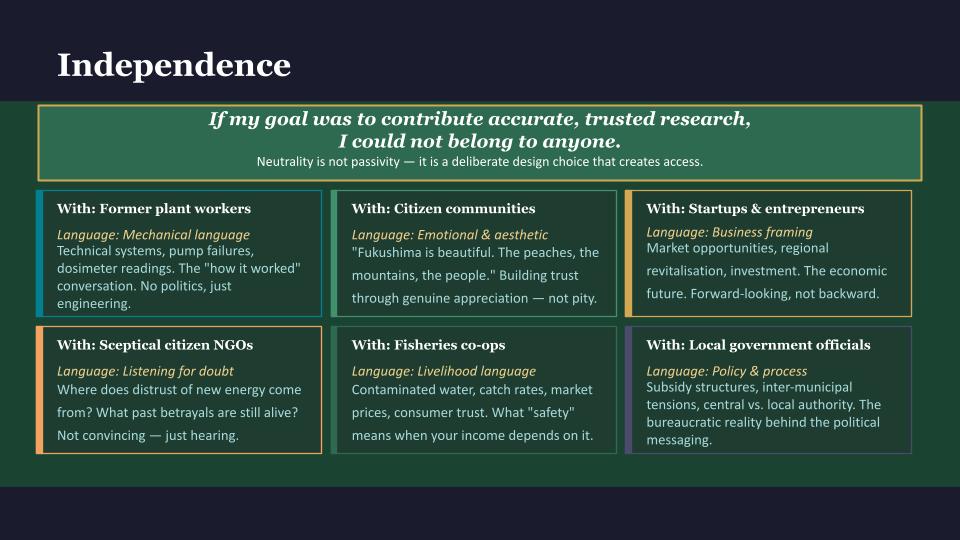
Interviews with evacuees, mayors, town leaders, METI officials, and TEPCO representatives
Organised 11-person study tour to affected areas
Key Themes
- —The policy-recovery gap and its consequences for affected communities
- —Trust and transparency in post-disaster state-society relations
- —Long-term displacement and the politics of return
- —Institutional accountability under conditions of uncertainty
- —The role of local governance actors in mediating recovery processes
Research Output
Gallery